
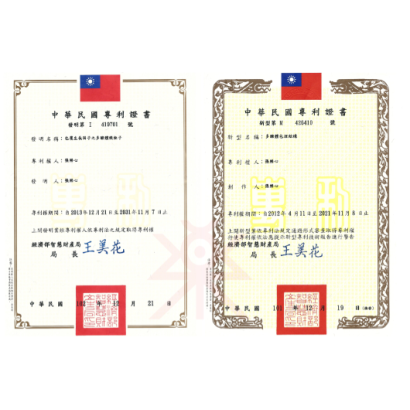
Polysaccharide Microencapsulation Patented Technology
Polysaccharide Microencapsulation Patented Technology
Technical Background
Biological repair and regeneration mechanisms rely primarily on the regulation and signaling functions of proteins and peptides. Peptides and proteins have been extensively studied worldwide for their potential in tissue repair and regenerative applications.
However, due to their inherent molecular instability, peptides are highly susceptible to hydrolysis and environmental degradation. During manufacturing, storage, and clinical use, loss of bioactivity often occurs, making it challenging to achieve stable mass production and consistent clinical performance.
Accordingly, a critical technological challenge lies in preserving biological activity while enabling stable storage and controlled, effective release of peptide-based compounds.
Core Technology Principle
Through a proprietary patented process, JoyCom Group utilizes polysaccharides to construct a multi-layer microencapsulation structure that:
Effectively protects against hydrolysis and environmental interference
Enhances the storage stability of active components
Preserves biological activity during clinical application
Strengthens the sustained functional performance of active ingredients within damaged tissues
This microencapsulation technology not only addresses the stability challenges associated with peptides, but also enables a synergistic interaction between oligopeptides and polysaccharides, further optimizing tissue repair performance.
Clinical Applications
This technology has been extensively applied across multiple clinical settings, including :
Various surgical wounds
Post-cesarean section incisions
Burns and scald injuries
Skin graft procedures
Chronic wounds such as diabetic ulcers and pressure sores
Acute and chronic non-healing wounds
It has been adopted and recognized by numerous medical institutions, demonstrating strong market acceptance within the active wound dressing segment and achieving a leading position in specific postoperative applications.
Built upon this technology, the framework can be further extended to broader tissue repair and bioactivity-preservation applications, delivering more stable and clinically meaningful solutions to the global healthcare market.
Biological repair and regeneration mechanisms rely primarily on the regulation and signaling functions of proteins and peptides. Peptides and proteins have been extensively studied worldwide for their potential in tissue repair and regenerative applications.
However, due to their inherent molecular instability, peptides are highly susceptible to hydrolysis and environmental degradation. During manufacturing, storage, and clinical use, loss of bioactivity often occurs, making it challenging to achieve stable mass production and consistent clinical performance.
Accordingly, a critical technological challenge lies in preserving biological activity while enabling stable storage and controlled, effective release of peptide-based compounds.
Core Technology Principle
Through a proprietary patented process, JoyCom Group utilizes polysaccharides to construct a multi-layer microencapsulation structure that:
Effectively protects against hydrolysis and environmental interference
Enhances the storage stability of active components
Preserves biological activity during clinical application
Strengthens the sustained functional performance of active ingredients within damaged tissues
This microencapsulation technology not only addresses the stability challenges associated with peptides, but also enables a synergistic interaction between oligopeptides and polysaccharides, further optimizing tissue repair performance.
Clinical Applications
This technology has been extensively applied across multiple clinical settings, including :
Various surgical wounds
Post-cesarean section incisions
Burns and scald injuries
Skin graft procedures
Chronic wounds such as diabetic ulcers and pressure sores
Acute and chronic non-healing wounds
It has been adopted and recognized by numerous medical institutions, demonstrating strong market acceptance within the active wound dressing segment and achieving a leading position in specific postoperative applications.
Built upon this technology, the framework can be further extended to broader tissue repair and bioactivity-preservation applications, delivering more stable and clinically meaningful solutions to the global healthcare market.